
Deer can cause serious damage to ornamental shrubs, especially during winter when natural food becomes scarce. Rutgers Cooperative Extension classifies landscape plants into four categories based on deer damage.
Category A means rarely damaged, B means seldom severely damaged, C means occasionally severely damaged, and D means frequently severely damaged. For yards with regular deer activity, I would focus primarily on plants rated A or B. Those ratings provide a useful starting point when comparing deer resistant shrubs.
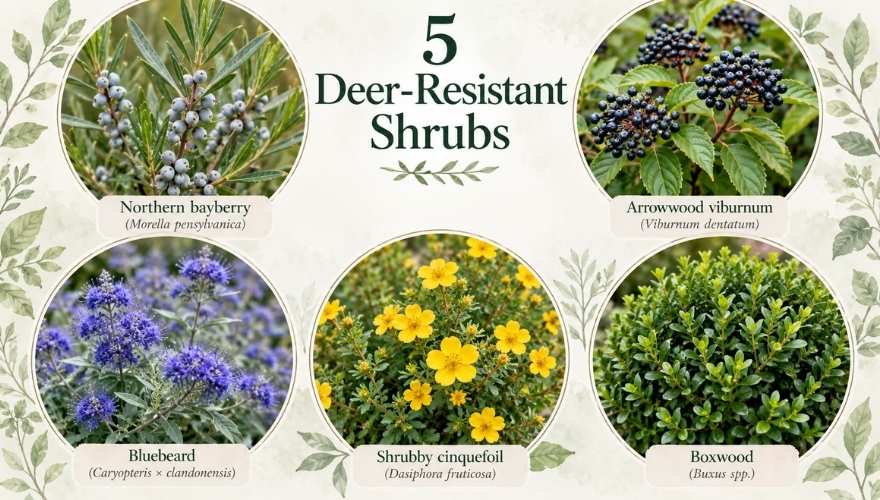
If you’re looking for deer resistant shrubs, my recommendations include northern bayberry, arrowwood viburnum, bluebeard, shrubby cinquefoil, and boxwood. All five appear in Rutgers’ rarely damaged category. Their mature size and preferred soil conditions will help determine which belongs in your yard.
After more than 15 years of working with ornamental trees and shrubs, I’ve learned to consider a plant’s mature dimensions before recommending it for a residential landscape. Here in Pennsylvania, white-tailed deer (Odocoileus virginianus) add another consideration. If I were evaluating a property beside woodland, I would examine the existing shrubs for signs of browsing before choosing replacements. Damage to young shoots can reveal quite a bit about deer activity.
Five Deer-Resistant Shrubs I Would Recommend
When selecting deer resistant shrubs, I prefer species that suit the local climate and require relatively little maintenance once established.
Here are five I would seriously consider.
- Northern bayberry (Morella pensylvanica). One of my favorite choices for sunny yards with relatively poor soil. It typically reaches 6 to 8 feet tall and tolerates salt exposure, making it suitable near driveways. The North Carolina State Extension plant profile also identifies it as particularly resistant to deer damage.
- Arrowwood viburnum (Viburnum dentatum). I would recommend this native shrub for larger properties. It can reach approximately 10 feet in height and width. It tolerates partial shade, and its fruit provides food for birds. Allow enough space for its mature crown.
- Bluebeard (Caryopteris × clandonensis). An excellent candidate for a smaller sunny yard. It generally reaches 2 to 3 feet tall and wide, with blue flowers appearing in late summer. Its aromatic foliage and relatively low susceptibility to deer make it particularly useful. In USDA zones colder than 6, the stems may die back during winter.
- Shrubby cinquefoil (Dasiphora fruticosa). A useful choice for colder regions, particularly in full sun. It generally reaches 2 to 4 feet tall and produces flowers throughout much of summer. I consider it among the better low maintenance deer resistant plants for yards with adequate drainage.
- Boxwood (Buxus spp.). Suitable for evergreen borders and low hedges. Deer generally avoid its foliage. However, I would check cultivar susceptibility to boxwood blight before purchasing. The North Carolina State Extension guide describes the disease risks associated with this genus.
For homeowners searching for shrubs deer won’t eat, northern bayberry would be one of my first recommendations for a spacious yard. In a narrow foundation bed, a compact bluebeard or boxwood cultivar may be more appropriate. I would also check the mature width of deer resistant shrubs before placing them close to a walkway.
Where Would I Plant Shrubs in a Deer-Prone Yard?
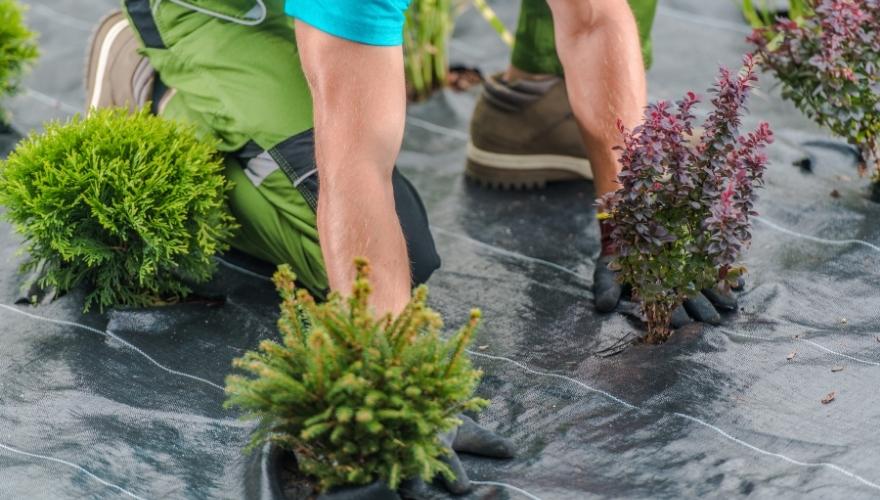
With shrubs for deer prone yards, I first consider the location of existing damage. Plants near woodland edges may experience more deer activity than shrubs close to the house.
The Royal Horticultural Society’s 2018 survey collected responses from 740 gardeners about damage to 185 plant species. The results highlighted how a plant’s location can influence browsing. Availability of alternative food also affects deer behavior. I would use those local conditions to decide where deer resistant shrubs belong on the property.
Imagine a Pennsylvania property with a wooded rear boundary and a narrow planting bed beside the house.
For the woodland edge, I would choose northern bayberry and allow for its mature spread of approximately 5 to 10 feet. The larger size makes it suitable for an informal shrub border.
Near the house, I would prefer a compact species. A bluebeard that matures at 3 feet wide can fit a 4-foot bed more comfortably than an arrowwood viburnum that may eventually spread 10 feet.
That size difference matters when choosing low maintenance deer resistant plants. A poorly positioned shrub can require frequent pruning even when deer leave it alone.
For additional ideas about foundation plantings, my article on Limelight Hydrangea in front yards explains how mature shrub size affects the space around a house.
One important detail deserves attention. Deer resistant shrubs may perform differently on neighboring properties because local deer populations and seasonal food availability vary.
What Would I Do if Deer Kept Returning?
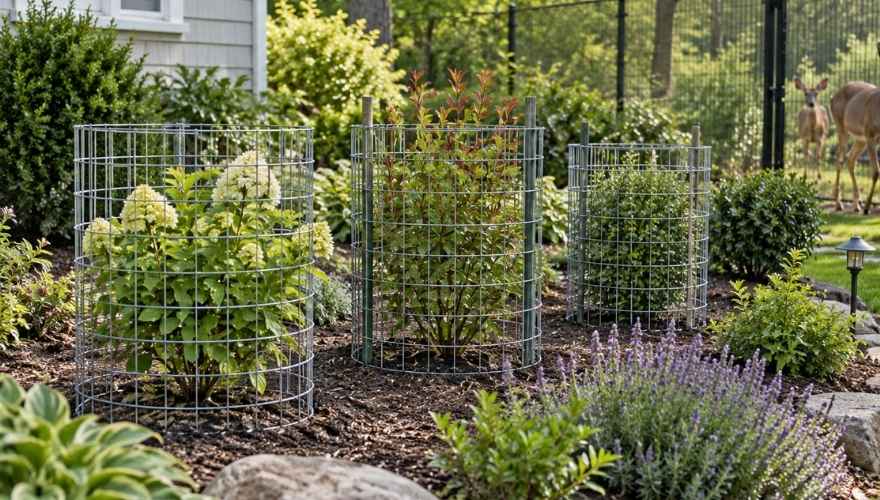
The phrase deer proof shrubs can create unrealistic expectations. Even plants that deer rarely browse may suffer damage during severe winters.
Young shrubs deserve particular attention because their shoots remain within easy reach of deer. Even deer resistant shrubs can benefit from temporary protection during their first few seasons.
I would protect valuable new specimens with sturdy wire cages until they become established. The University of Minnesota’s deer protection guidelines, reviewed in 2026, recommend well-constructed fencing approximately 8 feet tall where deer exclusion is necessary.
Repellents can provide additional protection. Most require reapplication after rain or irrigation.
For shrubs for deer prone yards, I would also inspect plants during late summer and fall. Male deer may rub their antlers against woody stems, causing bark damage without consuming the foliage.
If deer repeatedly enter the same part of your yard, protect the most valuable young plants first. Physical barriers offer a more dependable solution than relying entirely on the natural resistance of ornamental shrubs.
A Few Questions That Surprised Me
Here are a few more questions you may find interesting. Some of the answers surprised me, even after more than 15 years of working with ornamental shrubs.
Can deer damage a shrub without eating its leaves?
Yes. Male deer rub their antlers against woody stems, especially during fall. Such activity can strip bark and seriously injure young plants. Penn State Extension describes how severe rubbing can damage the tissues responsible for transporting water and nutrients.
Do deer avoid every plant with strongly scented leaves?
Aromatic foliage can reduce a plant’s appeal, but deer may browse less-preferred species when food becomes scarce. Local observations remain useful when selecting shrubs deer won’t eat. That’s another reason to observe how deer resistant shrubs perform in your own neighborhood.
Why wouldn’t I recommend Japanese barberry?
Japanese barberry is highly resistant to deer browsing, but it is invasive in several eastern states. Pennsylvania prohibits its sale, propagation, and intentional planting, apart from certain exempted sterile cultivars. I would select a suitable native alternative instead.
Do mature shrubs tolerate deer damage better?
Established shrubs often have greater capacity to produce replacement shoots. However, repeated browsing can reduce flowering and distort their natural shape, particularly when deer remove developing buds.
Are any shrubs completely deer-proof?
Even plants marketed as deer proof shrubs have limitations. Rutgers recommends its A and B categories for deer-prone landscapes, with additional protection where browsing pressure is severe.
In the end!
For my own planting recommendations, I would begin with deer resistant shrubs suited to the property’s soil conditions.
I would also protect young specimens during establishment. A careful species choice combined with appropriate protection gives homeowners a better chance of maintaining healthy shrubs in yards that deer visit regularly.