
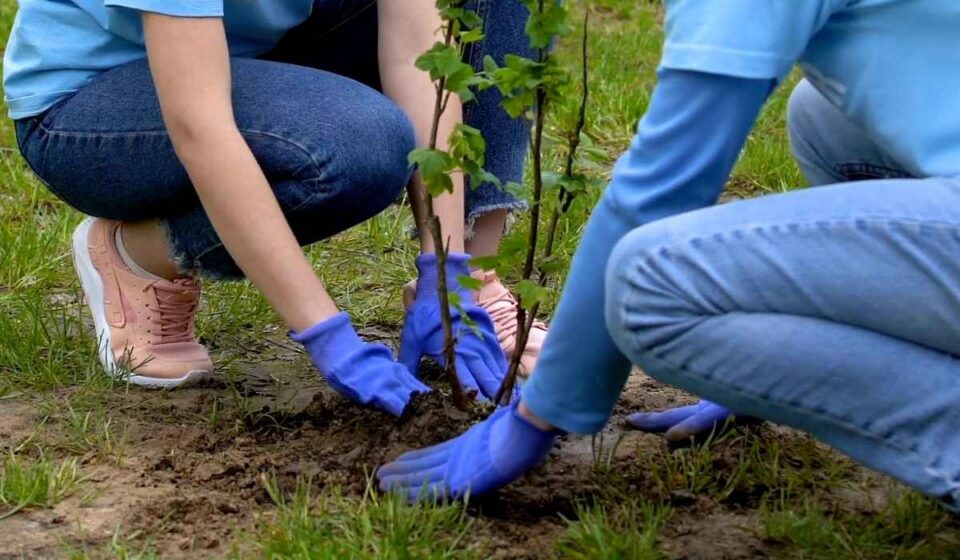
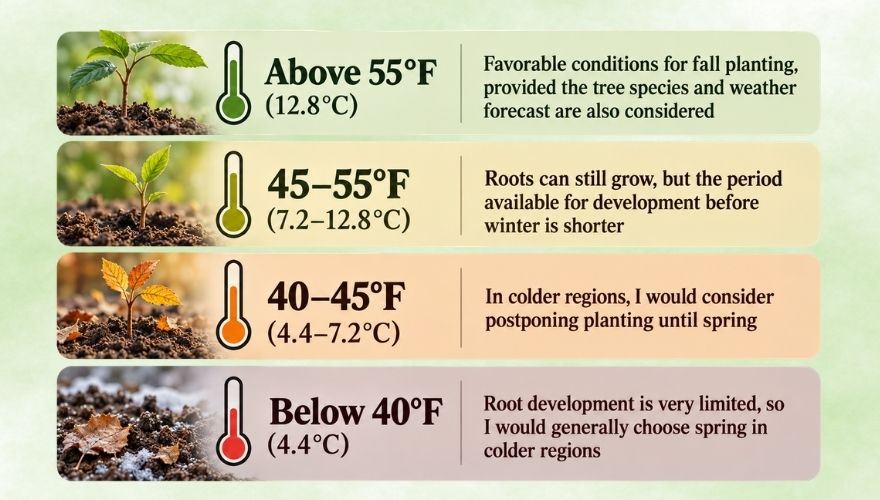
The best time to plant trees is early fall, generally from September to October across much of the northern United States. It’s important for the soil to be well above 55°F (12.8°C) at a depth of six inches, or approximately 15 centimeters, at the time of planting, according to fall planting recommendations. In Indiana, such conditions typically last until early or late October, depending on the location.
Even during my horticulture studies, I was particularly interested in the relationship between soil temperature and root development. Today, when I assess fall planting conditions, I first consider how much time the roots have to develop before winter. That relationship is central to determining the best time to plant trees in any particular location. A deciduous tree may have already lost its leaves, yet its roots can continue to grow in sufficiently warm soil.
Why This Particular Season is the Best Time to Plant Trees?
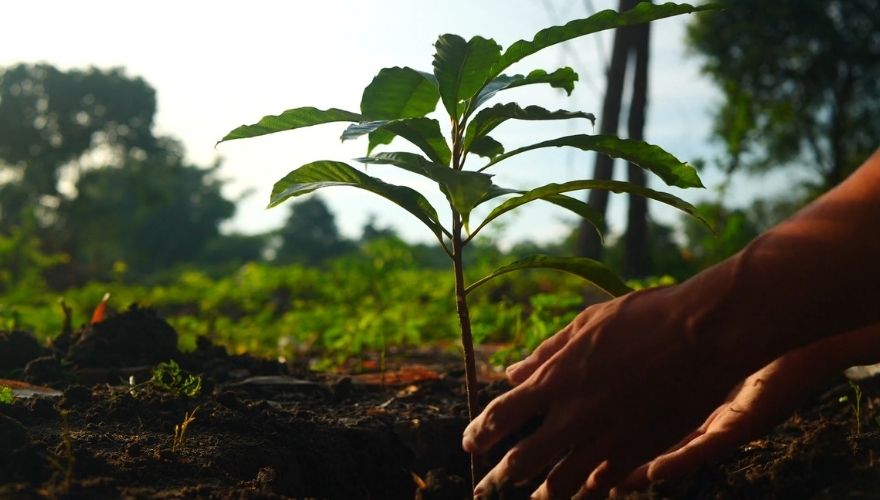
A new tree must adapt to the soil after transplanting. Even container-grown trees can experience stress, especially if their roots have developed in a confined space for a long time. During early fall, lower air temperatures generally reduce water loss through the leaves, and the soil can still retain enough warmth for roots to develop beyond the existing root ball.
That’s one reason planting trees in fall can be beneficial, especially when the soil remains warm enough to support new root growth.
For more insights into fall tree planting, watch University of Illinois Extension horticulture educator Emily Swihart discuss seasonal planting conditions, tree care, and the factors that help newly planted trees establish successfully.
For more insight into fall tree planting, University of Illinois Extension horticulture educator Emily Swihart discusses seasonal planting conditions and the benefits of planting trees in fall in the Good Growing Podcast. At 5:59, the discussion focuses on why fall can be a suitable time for planting trees, followed by tips on fall watering at 8:32 and key planting considerations at 9:51.
A tree planted in September may therefore enter its first spring with some new roots already established in the surrounding soil. For many hardy deciduous species, that advantage makes early fall the best time to plant trees.
When Does It Become Too Cold to Plant Trees?
Roots can continue to grow until soil temperatures fall below approximately 40°F (4.4°C), according to fall planting guidelines for colder regions. Higher temperatures give a newly planted tree a more favorable start, while root development gradually slows at lower temperatures.
If you’re deciding when to plant trees in fall, soil temperature is one of the first measurements I would check. It also helps narrow down the best time to plant trees before winter arrives. Here’s how I would assess soil temperature measurements in early October.
When Should You Plant Trees in Fall in Different Parts of the U.S.?
In Pennsylvania, I would favor September and early October. Later planting requires a more careful assessment of local conditions and the tree species. Pennsylvania itself includes several climate zones, so the appropriate planting period can differ between two parts of the same state.
For successful root development, approximately six weeks of moderate weather conditions before the soil freezes is recommended. In New Hampshire, early October serves as a useful general deadline. In warmer states, favorable conditions may last considerably longer.
The best time to plant trees therefore depends heavily on regional climate. If you’re unsure when to plant trees in fall, local soil conditions offer a more useful guide than a single nationwide date.
My general recommendations by region would be as follows:
Northern States and Colder Continental Regions
Favor September and early October. For later planting, check the soil temperature and local weather forecast.
Midwest
September and October often provide favorable conditions. During a dry fall, pay particular attention to soil moisture.
Mid-Atlantic States
September and October are generally suitable for many hardy deciduous species. In warmer areas, favorable conditions may last longer.
Southern States
The planting period may extend into late fall or winter, particularly in areas with mild winter temperatures.
For homeowners across these regions, planting trees in fall requires some attention to local temperature patterns. The calendar alone cannot establish the best time to plant trees in every state.
Is Late October Too Late to Plant Trees?
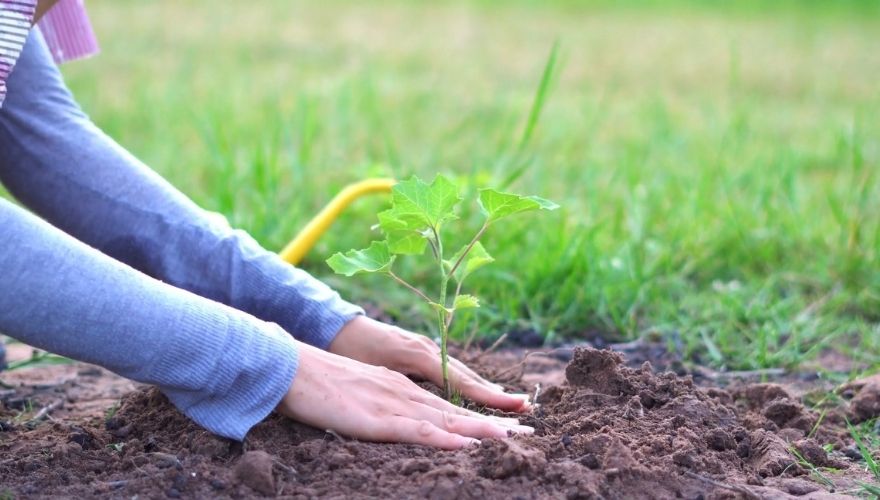
Imagine you find a healthy tree at a good price on October 20. The soil is still easy to dig, daytime temperatures are pleasant, and the forecast shows no severe frost.
Can you plant it? Possibly. I would first measure the soil temperature at the proposed planting site. Then I would check the tree species and assess how much time remains before more persistent winter conditions arrive.
If you’re considering when to plant trees in fall after mid-October, those factors become especially important.
I can see why buying a tree in late October is tempting, especially when nurseries offer substantial seasonal discounts. Still, I would check the condition of the roots and the soil temperature before making a purchase. If it were a magnolia in a colder part of Pennsylvania, I would rather wait until spring. For a hardy container-grown species, I would consider planting later in fall if local conditions were favorable. A cheaper tree offers little savings if you have to buy another one the following year.
The size of the tree also deserves consideration. Large trees have a harder time tolerating transplanting because of the significant disruption to their root systems. For transplanting large trees, spring is recommended, preferably with professional assistance.
For larger specimens, the best time to plant trees may therefore be different from the ideal period for smaller container-grown trees.
What Can You Expect During the First Spring?
A tree planted in fall may produce leaves at the expected time but show relatively little new shoot growth during its first year. I would assess its early development based on the condition of its buds and the appearance of healthy leaves.
Newly planted trees need time to develop a functional root system. Limited growth during the first year can be part of the normal adjustment after transplanting. If a tree remains leafless after nearby trees of the same species have begun active growth, inspect several smaller branches and check the condition of the tissue beneath the bark.
You can also learn how to tell if a tree is dead, even in winter before deciding whether it needs further attention.
I would continue to check soil moisture throughout the first summer. The root system may still occupy a relatively small area, making the tree more vulnerable to prolonged dry periods.
For more practical guidance, watch How to Care for Newly Planted Trees, which covers watering, mulching, pruning, and fertilizing. These basic care practices can help reduce transplant stress and support healthy establishment during the first growing season.
For newly planted trees, planting trees in fall also means paying attention to moisture during the months that follow.
My Final Advice
For most hardy deciduous species in Pennsylvania, I would choose September or early October. There is no single ideal planting date for the entire United States. The best time to plant trees varies by region, species, and soil conditions.
October in northern Pennsylvania brings different conditions than October in Georgia.
Check the soil temperature on your property and choose a period that gives the roots enough time to develop before winter.
For anyone considering planting trees in fall, I would prioritize soil warmth and the time available for root development. Those two factors can help determine the best time to plant trees for your property.
If you’re still unsure when to plant trees in fall, start with the soil temperature and the forecast for your area. I hope you found this article helpful!