
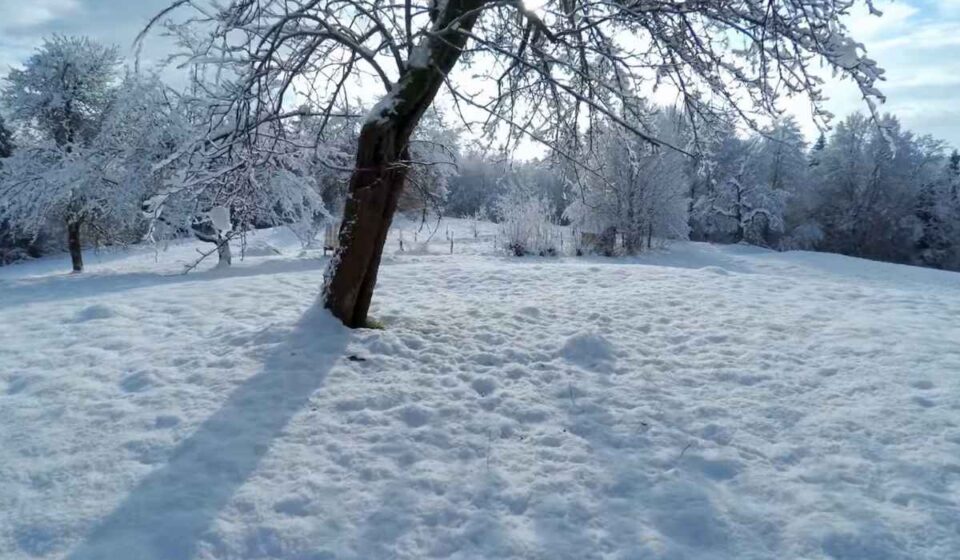
I decided to write about this now because winter is approaching, and I know how often people look at a bare tree during the colder months and assume its days are over. We get the same question at our nursery every year, and my answer usually starts the same way: don’t bring out the chainsaw just yet.
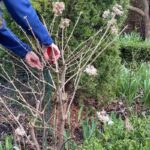
A tree with no leaves in the middle of winter can look completely dead even when it is only dormant. Before you think about removing it, check the buds on several branches, test the flexibility of a few younger twigs, and make a very small scratch beneath the bark. If you find healthy buds or moist green tissue in several parts of the tree, it is still alive.
Start With the Buds on Several Parts of the Crown
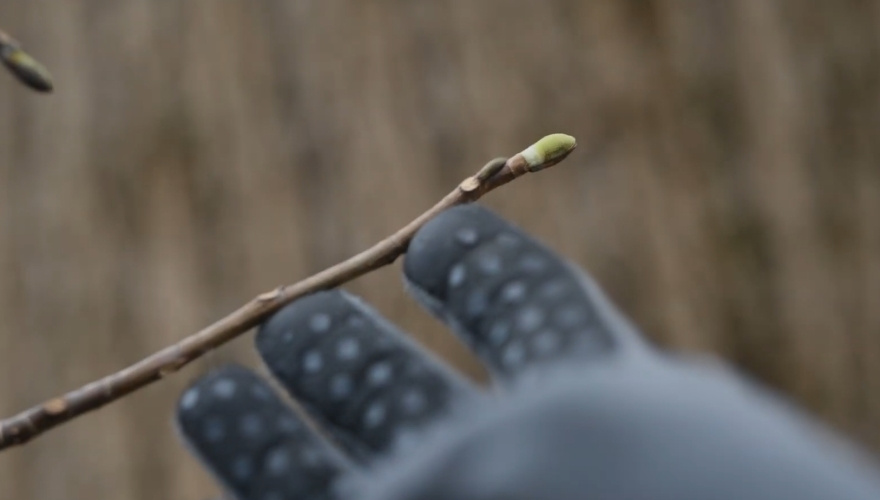
Before I reach for a knife or scratch any bark, I look at the buds first. On a deciduous tree that has entered normal winter dormancy, buds should still be present on younger branches, although their shape and color depend on the species.
A healthy winter bud does not have to look green on the outside. Many are brown or reddish, so color alone tells you very little. I am more interested in a bud that looks firm and properly formed than one that has dried out and falls apart when touched.
Why check several branches? Because one dead branch does not mean the whole tree is dead. Trees Forever explains the same issue with winter checks and recommends looking at more than one part of the plant before reaching a conclusion.
If the buds look healthy on one side of the crown and are almost absent on the other, you already have a much better clue. You may be looking at localized branch dieback rather than the death of the entire tree.
I once visited another nursery during winter and stopped beside a row of young trees that looked almost identical from several yards away. The nursery owner showed me the difference only after we walked up to the branches and examined the buds. On one group they were firm and well developed, while on the other the tips had already dried out. I remembered that example because the difference was almost impossible to see until we got close.
A Small Twig Can Tell You Quite a Lot
The next thing I would check is a young twig roughly the thickness of a pencil. Bend it slowly without trying to break it.
Living wood usually has some flexibility. A dry, dead twig often snaps much more easily because it has lost moisture and flexibility.
I would not make a final decision based on that test alone. Some species naturally have more brittle twigs, and cold weather can change how they feel in your hand.
A few months ago, I came across a Reddit post from the owner of two young trees in North Texas that had gone through irrigation problems during the previous summer. One had flexible twigs and greenish tissue beneath the bark, while the other snapped more easily. The question was the same one many of our customers ask: am I looking at a dormant tree or a dead tree?
That is exactly why I would check another part of the crown before making a decision when the first result is unclear.
The Scratch Test Is Useful, but Don’t Strip Half the Tree
If you are still unsure, make a very small scratch on a thin branch that you can reach safely. You can use a fingernail or a clean knife and remove only a thin surface layer of bark.
Beneath the bark is living tissue often referred to as the cambium. If that part of the branch is alive, you will usually see a greenish layer that feels slightly moist. Dry brown tissue suggests that part of the branch has died.
How many places should you check? I would start with a few small twigs in different parts of the crown. If the tip is dead, move slightly closer to the main branch. If you find living tissue there, only the outer section may have died back.
Brown Needles Do Not Automatically Mean a Conifer Is Dead
Evergreen trees need a slightly different approach. A pine or spruce does not lose all its needles every fall simply because winter has arrived.
Still, brown needles alone do not mean the entire tree is dead. The U.S. Forest Service describes winter desiccation, a type of damage caused by cold and drying winds that can injure needles while the buds and branches remain alive. New growth can still appear during the following season.
If the whole crown has changed color from top to bottom and the small twigs are dry and brittle, the situation is much more serious. If only the exposed side of the crown shows damage after a harsh winter, you may be looking at something very different.
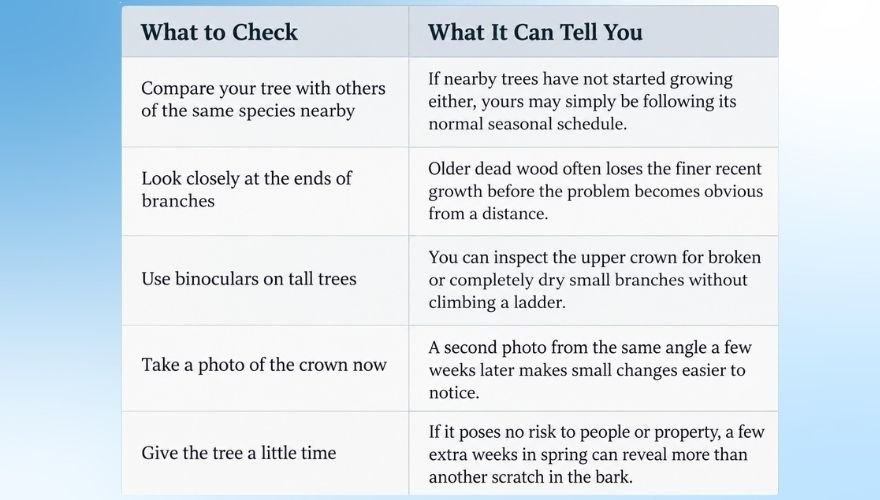
A Few Other Things I Have Learned From Winter Tree Checks
After enough years in the nursery, I have found that a few small details can sometimes tell you more than another test.
Some come from my own experience, and others come from conversations with people who work around trees or homeowners who have dealt with the same problem.
Conclusion
If you can still find healthy buds or living tissue in several parts of the crown, I would not rush to remove the tree. Winter can make a perfectly dormant deciduous tree look far worse than it really is.
After seven years of running a nursery, I have learned that removing a tree is much easier than putting it back after you realize you acted too soon. A few extra minutes of checking in winter can save you from making that mistake.